
Author name: Hayder Shkara

Hayder is the Director of Dandenong Family Lawyers, where he leads with strategic clarity, empathy, and a deep commitment to client wellbeing. With a background as a former Olympic athlete, Hayder brings unmatched operational insight and a people-first approach to family law. His leadership fosters a culture of ensuring every client feels heard, supported, and empowered through life’s most challenging transitions.

mutual divorce application | Dandenong Family Lawyers

Mutual Divorce Application: 5 Important Steps and Factors to Consider

A mutual divorce application refers to when both spouses file a joint application agreeing to end their marriage amicably. This process is often quicker and less stressful than contested divorces since both parties mutually agree on the terms and conditions, including the division of assets, child custody, and alimony. Key Takeaway: A mutual divorce application […]

Mutual Divorce Application: 5 Important Steps and Factors to Consider Read More »

de facto vs marriage australia | Dandenong Family Lawyers

De Facto vs Marriage Australia: Key Distinctions

Two common types of personal romantic relationships are recognised in Australia: marriage and de facto relationships. While both forms of partnerships are acknowledged under Australian law, they differ significantly in their legal implications, rights, and obligations. What Defines a Marriage vs a De Facto Relationship? Marriage in Australia is defined under the Marriage Act 1961

De Facto vs Marriage Australia: Key Distinctions Read More »

separation vs divorce | Dandenong Family Lawyers

Separation vs Divorce: Know the Difference

When couples face the end of their relationship, they often grapple with the decision of whether to separate or divorce. While both processes signify the breakdown of a marriage or partnership, they carry distinct legal, emotional, and financial implications. Understanding these differences is crucial for making an informed choice that best suits your circumstances. What

Separation vs Divorce: Know the Difference Read More »

divorce certificate melbourne | Dandenong Family Lawyers

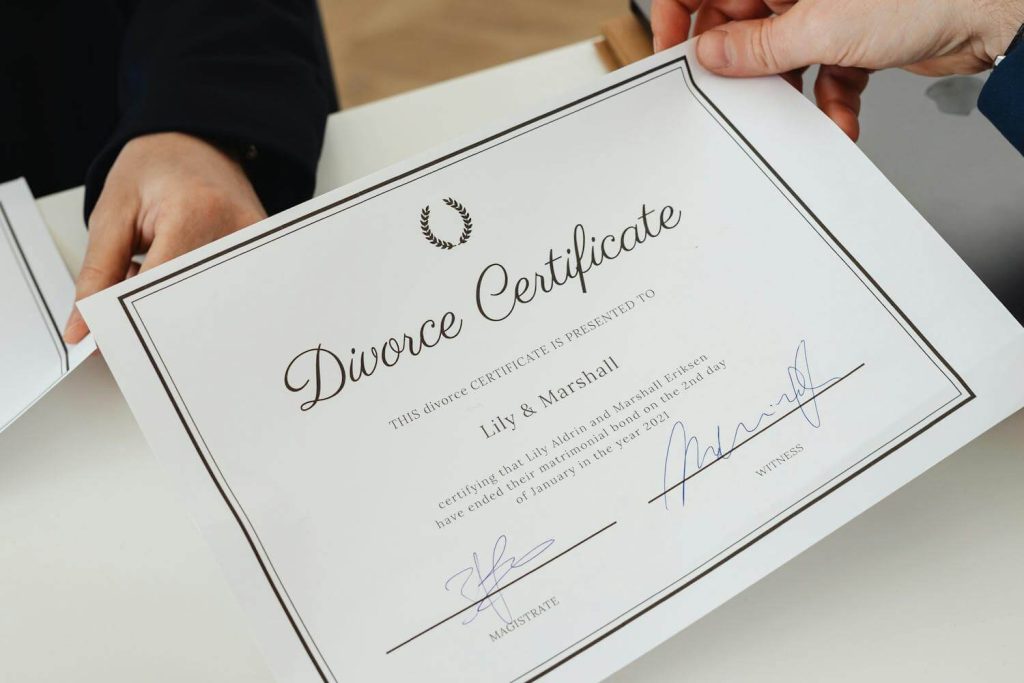
How to Obtain a Divorce Certificate in Melbourne

A ‘divorce certificate’ also referred to as a ‘divorce order’ is an official document confirming a marriage’s dissolution. It is necessary for various legal and personal matters, such as remarrying or updating marital status on identification documents. In Melbourne, Australia, if you need a copy of your divorce certificate, you can only obtain this through

How to Obtain a Divorce Certificate in Melbourne Read More »

divorce affidavit | Dandenong Family Lawyers

Divorce Affidavit: 4 Details You Should Prepare

A “divorce affidavit” is a written statement used in Australian family law proceedings where a person provides evidence or information that supports their application for divorce. This critical document must be sworn or affirmed before an authorised witness to ensure its authenticity and prevent fraudulent signatures. A divorce affidavit may be required in specific situations,

Divorce Affidavit: 4 Details You Should Prepare Read More »

divorce advice for women | Dandenong Family Lawyers

Divorce Advice for Women: 10 Helpful Suggestions

Divorce can be a challenging and transformative experience for women. It’s important to approach this period with informed advice and a clear understanding of your rights and responsibilities. Here is some comprehensive divorce advice for women to help navigate this transition effectively. Understanding Your Legal Rights Understanding your legal rights is one of the first

Divorce Advice for Women: 10 Helpful Suggestions Read More »

inheriting property from parents | Dandenong Family Lawyers

Inheriting Property from Parents: 6 Important Considerations

When inheriting property from parents, the first step is to understand the legal process involved. The property transfer typically occurs through a will, where the deceased parent’s estate is distributed according to their wishes. If there is no will, the estate is distributed according to the intestacy laws of the state. Assessing Capital Gains Tax

Inheriting Property from Parents: 6 Important Considerations Read More »

Scroll to Top